Credential stuffing is the automated replay of username-password pairs from past breaches against login pages, and it works because people reuse passwords — 1 in 5 breached credentials eventually appears in a later stuffing run, per Google's 2019 study of 1.4 billion credentials.
CVE-2026-18577 let attackers seize admin control of N-central servers and reach managed endpoints through the platform's Take Control feature; N-able's second hotfix, released Aug. 6, is the only complete fix.
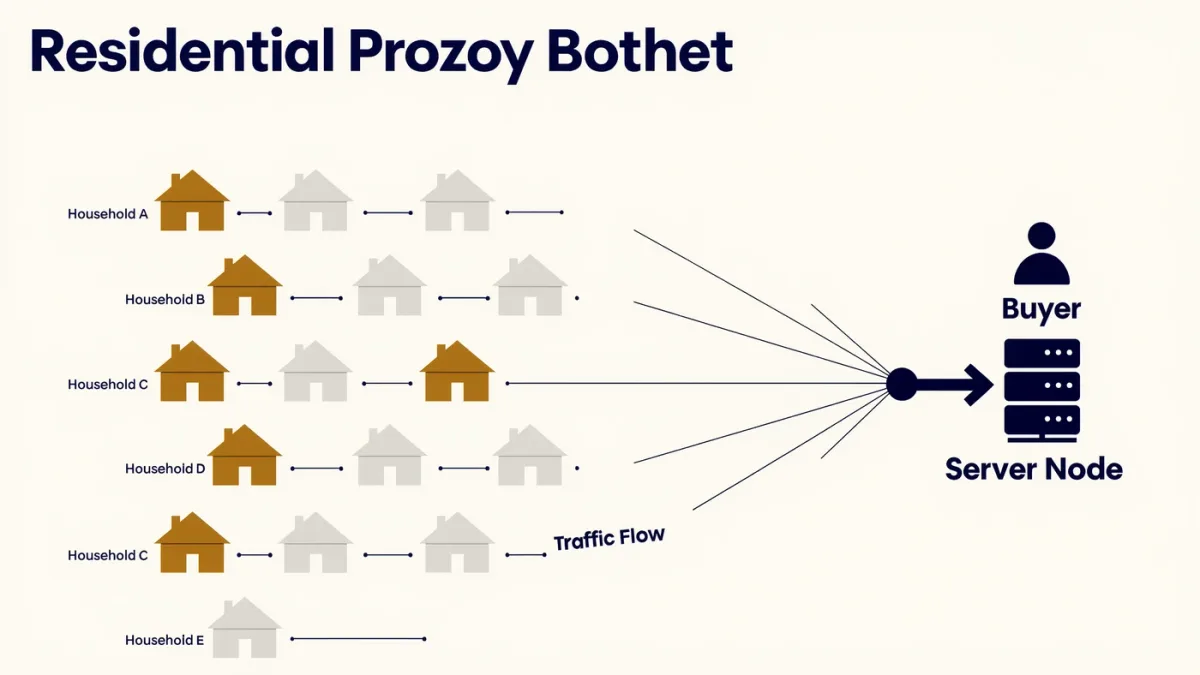
Botnets conscript insecure devices into criminal infrastructure; the modern twist is renting them out as residential proxies that make scam traffic look like home users.
Voice phishing and email impersonation cons staff into approving payments and handing over MFA codes — the FBI's loss leader — and the defense is out-of-band verification, not better spam filters.
Infostealers grab saved passwords, session cookies, and crypto wallets in seconds and feed them into criminal logs — your accounts fall without a single phish being clicked.