Threats
What is a zero-day vulnerability, and why does the name matter?
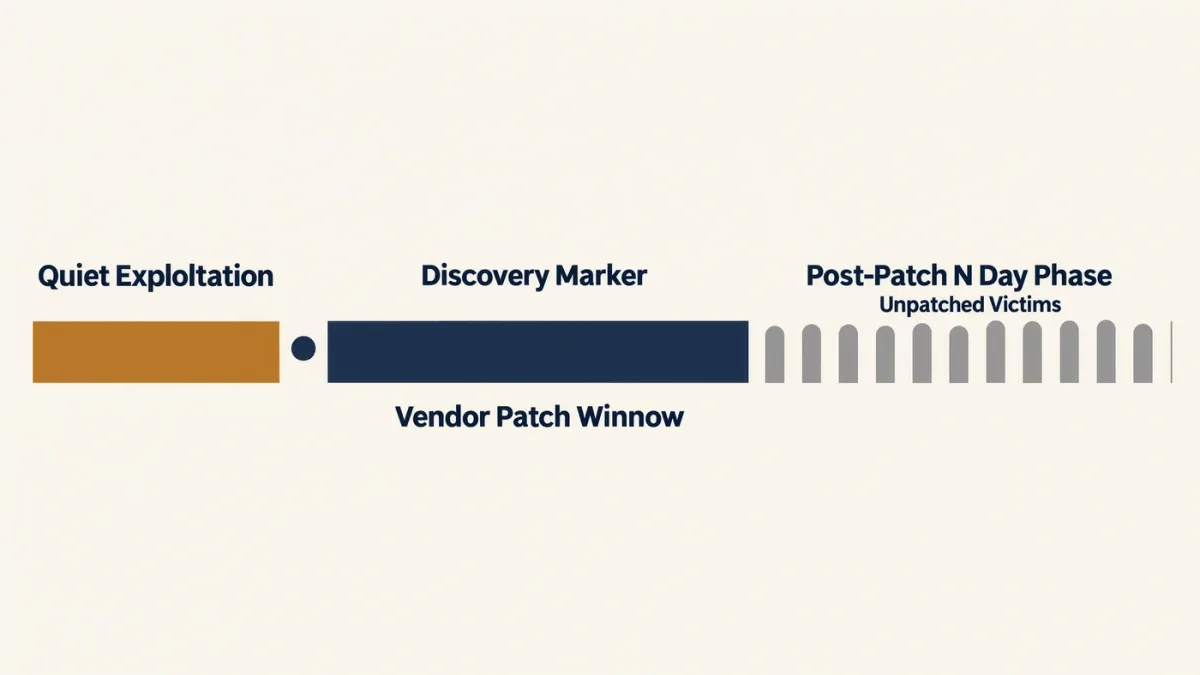
Brandi ReedA zero-day is a flaw the vendor has had zero days to fix — attackers exploit it before a patch exists, and defenders lean on detection and speed rather than updates.
Active intrusion campaigns explained by method.
A zero-day is a flaw the vendor has had zero days to fix — attackers exploit it before a patch exists, and defenders lean on detection and speed rather than updates.

AI voice cloning needs seconds of audio to imitate a voice — the defense is a family verification codeword and a call-back rule that no emergency survives.

Malvertising hides malware behind paid ads and sponsored search results — victims searching for real software click the ad, download a trojanized installer, and infect themselves with the vendor's own name on it.

Quishing is phishing delivered through QR codes — the pattern hides the URL from security tools and your own eyes, so the defense is never scanning codes from unsolicited messages.

A supply chain attack compromises a vendor, update mechanism, or dependency so malicious code rides in through a trusted channel — the defense is fewer dependencies, verified builds, and fast patch paths.
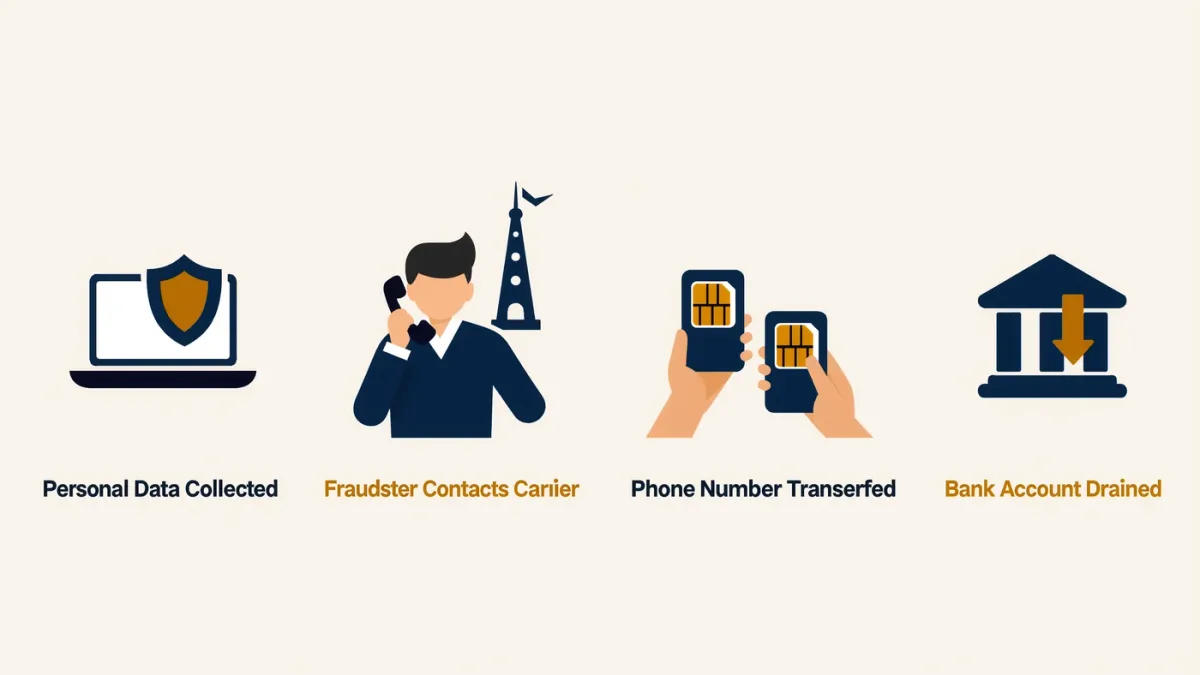
In a SIM swap, a fraudster moves your phone number to a SIM card they control — intercepting your SMS codes and password resets in the process; a carrier port-out PIN and non-SMS two-factor authentication stop most attacks.